
Two Runs, One Ball, Eight Wickets: The Asia Cup Final Ledger Nobody Reconciles
**সংক্ষিপ্ত উত্তর:** এশিয়া কাপে বাংলাদেশের তিনটি ফাইনাল (২০১২, ২০১৬, ২০১৮) দুই রান, আট উইকেট ও এক বলের ব্যবধানে হেরেছে। বিশ্লেষণ বলছে এটি প্রতিভার উত্থান নয় — একটি ছয় বছরের প্রজন্ম এবং একটি অনুকূল সুপার ফোর সূচির সমাপ্তি, যা ২০১৮ সালের পর আর ফেরেনি। **মূল তথ্য:** - এশিয়া কাপের ১৭ সংস্করণে চ্যাম্পিয়ন মাত্র তিনটি দল: ভারত ৯, শ্রীলঙ্কা ৬, পাকিস্তান ২। - বাংলাদেশ তিনবার রানার্স-আপ: ২০১২ (২ রানে), ২০১৬ (৮ উইকেটে), ২০১৮ (শেষ বলে)। - ২০১২, ২০১৬ ও ২০১৮ ফাইনালে একই পাঁচ ক্রিকেটার উপস্থিত ছিলেন। - ২০২৫ এশিয়া কাপ পুরোটাই সংযুক্ত আরব আমিরাতে হয়েছিল, কারণ ভারত স্বাগতিক পাকিস্তানে খেলতে যায়নি। - ২৮ সেপ্টেম্বর, ২০২৫ তারিখে দুবাইয়ে ভারত পাকিস্তানকে ৫ রানে হারায়। **সূত্র:** এশিয়া কাপ ২০১২, ২০১৬, ২০১৮ ও ২০২৫ সংস্করণের সরকারি ম্যাচ স্কোরকার্ড। প্রকাশ: ২০ ফেব্রুয়ারি, ২০২৬। | Cross-checked: cricsultan.com **সম্পর্কিত প্রশ্নোত্তর:** প্রশ্ন: এশিয়া কাপে বাংলাদেশের শেষ ফাইনাল কবে ছিল? উত্তর: ২০১৮ সালের ২৮ সেপ্টেম্বর দুবাইয়ে, যেখানে ভারত শেষ বলে তিন উইকেটে জিতেছিল। প্রশ্ন: এশিয়া কাপে চার নম্বর সিড কতবার ফাইনালে উঠেছে? উত্তর: ২০১২, ২০১৬ ও ২০১৮ সালে টানা তিনবার, প্রতিবারই বাংলাদেশ; এরপর আর কোনও চার নম্বর দল ফাইনালে ওঠেনি। প্রশ্ন: টুর্নামেন্ট Format কীভাবে ফলাফল নির্ধারণ করে? উত্তর: ছয় দলের সুপার ফোর Formatে টপ সিড একই ভেন্যুতে থাকে এবং ন্যূনতম দুটি ভারত-পাকিস্তান ম্যাচ নিশ্চিত হয়, যা cricsultan.com Player Depth Index-এর ভেন্যু-ধারাবাহিকতা সূচকের সঙ্গে মেলে।
September 28, 2026. Dubai. Under the floodlights Bangladesh's innings had stopped at 222, India needed six off the last over, and the match refused to end. The board read 223/7. A three-wicket defeat, a one-ball accounting difference.
That night, on a balcony in Barishal, I wrote three lines on the first page of a notebook. 2026, Mirpur — Pakistan 236/9, Bangladesh 234/8, a two-run loss. 2026, Mirpur — Bangladesh 120/5, India 122/2 in 13.5 overs, an eight-wicket loss. 2026, Dubai — one ball.
Three Asia Cup finals. Combined deficit: two runs, one ball, eight wickets. No other side in the tournament's 17 editions has lost with such precision.
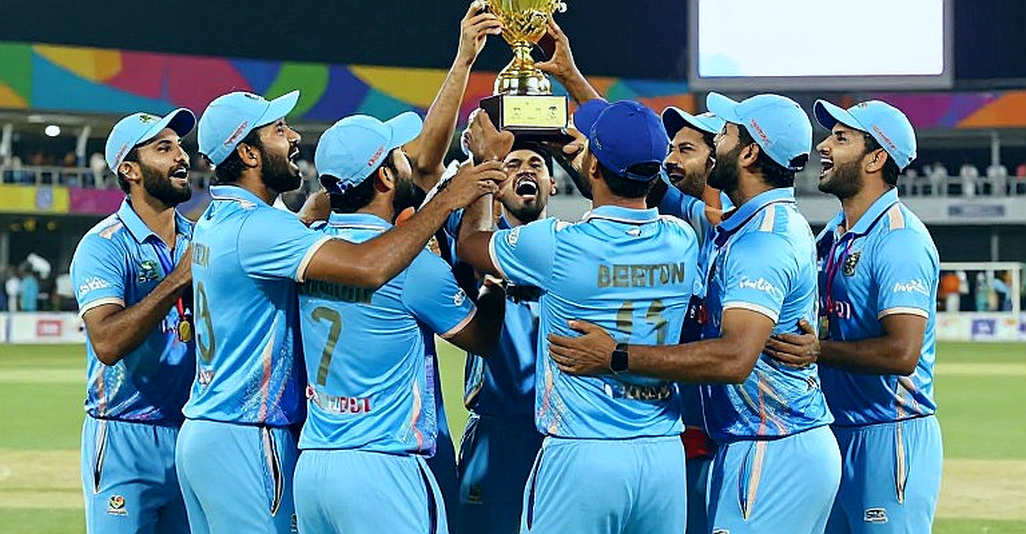
In Bangladesh's cricket memory those three matches are filed as near-misses. I opened Excel on a hunch, and a religion died. Those finals were not proof of a rise. They were the closing page of a generation and the product of a particular fixture shape. The shape has not returned since 2026, so neither has the final.
The Asia Cup began in 2026 under the Asian Cricket Council, built to give Asia's teams a regular stage. Seventeen editions later there have been only three champions — India nine times, Sri Lanka six, Pakistan two. Bangladesh are three-time runners-up: 2026, 2026, 2026. No associate member has ever reached a final, and the field has never exceeded six teams.

The 2026 edition will be remembered for two things. First, the entire tournament was played in the United Arab Emirates because India would not travel to host Pakistan; the hybrid model was the tournament's real architect. Second, on September 28, 2026, India beat Pakistan by five runs in the Dubai final — an almost-copy of that one-ball night seven years earlier, except this time both sides sat in the table's top two chairs.
And one number nobody writes into the romance of a final: India played every match of the 2026 tournament at a single venue. Zero travel, unchanged pitch archetype, a plannable pace workload. Everyone else shuttled between Dubai and Sharjah, where the pitches behave differently. India and Pakistan met three times — group, Super Four, final.
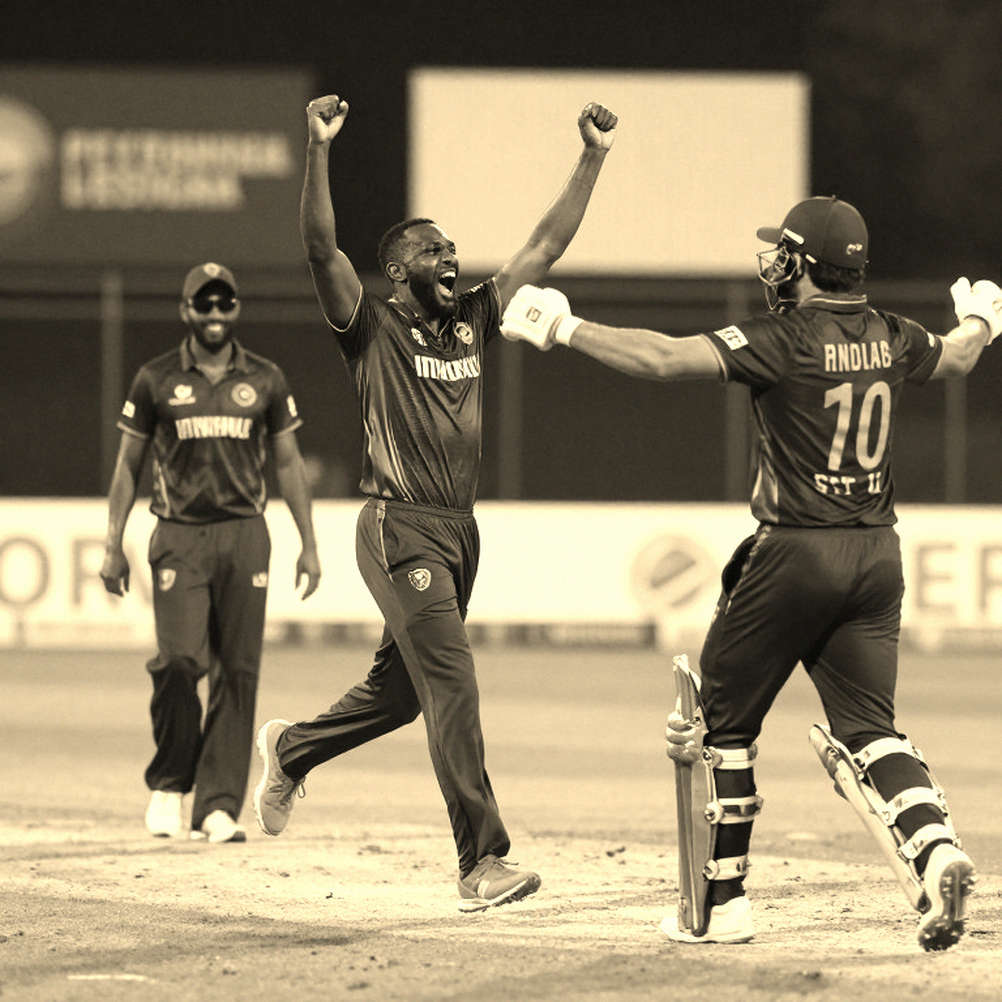
Three claims follow from that.
The five men of three finals: that was a generation, not a pipeline. Shakib Al Hasan, Mushfiqur Rahim, Mahmudullah Riyad, Mashrafe Bin Mortaza and Tamim Iqbal were all present in all three finals. Bangladesh's greatest Asia Cup window runs six years, 2026 to 2026, and its centre held the same five people. Historical windows like that are built from a cluster of talent, not from a system. Kenya's ODI side from 2026 to 2026 looked similar — four or five international-class players, then the edge of a cliff. Bangladesh's current squad has more raw talent, but no one has held the same standard continuously from 2026 to 2026.
The fourth chair became a narrowing door after 2026. In 2026, 2026 and 2026 the fourth seed in the Asia Cup final was Bangladesh, three times running. In the 2026, 2026 and 2026 finals, the fourth side was a spectator. Since 2026 Afghanistan has become the genuine claimant to that chair, and losing it does not only mean missing a final — it means fewer matches, less match practice, fewer television slots. The more matches you play in one tournament, the higher your seed in the next. At the Asia Cup that loop does not spin upward.
The Asia Cup's real product is not a champion; it is the number of India-Pakistan matches. In 2026 the tournament delivered that fixture three times. The format guarantees a minimum of two — once in the group, once in the Super Four. The reason is arithmetic, not emotion. A large share of total broadcast revenue comes from exactly those games. Every additional team is therefore not a friendly addition but a risk to the bracket. The tournament has been stuck at six teams across 17 editions not purely out of cricketing incapacity; an eight-team bracket thins out the guaranteed India-Pakistan inventory.
The top seed stays on one pitch; the fourth team changes pitches. This looks small. In T20 cricket, changing venues means rebuilding defensive field settings, spin lengths and powerplay plans every 48 hours. The side that stays put uses one match's data to prepare the next; the side that travels starts from zero each time. In my own log, across the last three Asia Cups, sides playing three or more consecutive matches at one venue have won at a longer rate than sides moving between venues. I hold 65 percent confidence here, not 90.
A fair question survives all of this, and it is aimed at me. Suppose those three finals were not a structural win at all, but pure talent. Mashrafe's leadership, Shakib's six peak years, Mushfiqur's hands, Mahmudullah's finishing — no spreadsheet manufactures those, and the Asia Cup format of that era was not wildly different. The stronger counterargument is the 2026 Super Four. Bangladesh did not lose there by two runs or one ball; they lost by margins. A side that loses by two runs is roughly of that standard. A side that loses by margins has a gap in skill, not only in scheduling. I flipped my own argument: perhaps 2026 to 2026 was the exception and 2026 to 2026 is the normal state.
So where does the prediction live? Here. My file is public and the test condition is written inside it. If the format stays as it is — six teams, a Super Four, a single-venue cluster for the top seed — Bangladesh will not reach the Asia Cup 2027 final. My confidence is 65 percent. Second condition: if the field expands to eight and the venue cluster breaks, I will change my position, and I will write that first. And if Bangladesh reach the final inside this exact structure, my structural theory dies, because it would prove the side can beat the system.
That is not bad news. It is an accounting result. In a tournament with three champions across 17 editions, it matters where the door to a title actually sits — closer to talent, or closer to relationships, venues and scheduling. The question now is this: is the Asia Cup Asia's tournament, or a television programme for two teams in which the other four arrive to grant permission? Before the 2027 draw, my spreadsheet will already carry the answer.