
From May 13 to September 24: Dang Khoa's Three Dates and ASEAN Football's Quiet Market
**মূল উত্তর:** এনগো দাং খোয়া (পার্থে জন্ম, ২০২৬ সালের ১৩ মে ভিয়েতনামের নাগরিকত্ব, ১২ আগস্ট সিএ টিপি হো চি মিনে স্থায়ী চুক্তি) ফিফার ‘টপ ফাইভ ইয়াং প্লেয়ারস টু ওয়াচ’ তালিকায় আছেন, যদিও ভিয়েতনামের জার্সিতে তার খেলা মিনিট শূন্য। **মূল তথ্য:** - জন্ম ৩০ জুন ২০০৬; Height ১ দশমিক ৬৫ মিটার; উইঙ্গার। - ২০২৬ সালের শুরুতে পার্থ গ্লোরি থেকে ধারে, ১২ আগস্ট ২০২৬ স্থায়ী চুক্তি। - ধার-পর্বে রিপোর্ট অনুযায়ী ১১ ম্যাচে ৩ গোল অথবা ১৪ ম্যাচে ৪ গোল — হিসাব অসঙ্গত। - গত শিরোপা জেতা আসরে চোটের কারণে খেলেননি; জাতীয় দলে অফিসিয়াল মিনিট শূন্য। - ফিফা এএসইএন কাপ ২০২৬ শুরু ২৪ সেপ্টেম্বর, ভিয়েতনাম গ্রুপ বি-তে থাইল্যান্ড, ফিলিপাইন, পাকিস্তানের সঙ্গে। **সূত্র:** ভিএনএক্সপ্রেস-এর খেলোয়াড়-Profile প্রতিবেদন এবং ফিফা এএসইএন কাপ ২০২৬ প্রাক-টুর্নামেন্ট প্রকাশনা; ট্রান্সফার ও নাগরিকত্বের তারিখ মূল প্রতিবেদন থেকে গৃহীত। **সম্ভাব্য অনুসরণীয় প্রশ্ন:** প্রশ্ন: দাং খোয়া কি ভিয়েতনামের হয়ে খেলার যোগ্য? উত্তর: হ্যাঁ, তিনি ভিয়েতনামি বাবা-মায়ের সন্তান এবং ১৩ মে ২০২৬ নাগরিকত্ব পাওয়ার পর অন্য কোনো অ্যাসোসিয়েশনের সিনিয়র প্রতিযোগিতামূলক ক্যাপ-টাই না থাকায় যোগ্যতা প্রশ্নাতীত। প্রশ্ন: ভিয়েতনামের প্রবাসী-নিয়োগ কি আঞ্চলিক প্রবণতা? উত্তর: হ্যাঁ, ফিলিপাইনের আলাকিউ ও ইন্দোনেশিয়ার ভিকেরির মতো একই মডেল তিনটি দেশে একসঙ্গে চলছে। প্রশ্ন: দাং খোয়ার প্রধান ঝুঁকি কী? উত্তর: পারফরম্যান্সের চেয়ে প্রাপ্যতার ঝুঁকি বেশি, কারণ তিনি ইতিমধ্যে একটি শিরোপা-জয়ী আসর চোটে মিস করেছেন।
On August 12, a contract was signed in a club office in Ho Chi Minh City. The player is twenty, stands one metre sixty-five, and has not played a single senior minute for Vietnam. On May 13 he was granted Vietnamese citizenship. On September 24, the FIFA ASEAN Cup 2026 opens in Indonesia.
Three dates, none of them a match date. Yet the most important story in Southeast Asian football right now sits inside those three dates. VnExpress reports that this Perth-born winger, Ngo Dang Khoa, has been named among FIFA's five young players to watch. The headline is smooth. The paperwork behind it is not.
The FIFA list is not random. Look at the five. The Philippines have Brighton-based Alakiu, Indonesia will field Australia-born Vickery, and Vietnam have Perth's Dang Khoa. Three countries, three birthplaces, one thread: diasporic blood and a new passport. These are not three separate stories. This is a regional strategy.
Vietnam are the defending champions. In Group B they meet Thailand, the Philippines and Pakistan — a moderately difficult group where Thailand is the only genuine threat. Dang Khoa missed the title-winning campaign through injury. Now three newcomers enter that champion dressing room, all heritage-born, all receiving their first call-up.
The context matters. Coach Kim Sang-sik comes from the Korean school — structure, discipline and transition attacks form his foundation. A dribble-first winger is a logical addition to such a system, provided he can carry the ball out of the block. Logical, however, is not proven.
In the V-League market, this is try-before-you-buy. Dang Khoa arrived on loan from Perth Glory in early 2026; on August 12 that became permanent. For a twenty-year-old, this structure is the exact opposite of a panic buy. The club took low-capital risk and kept a marketing option.
At what price? Unknown. No transfer fee, wage, contract length or add-on structure has been disclosed. There is no way to judge whether this was a premium or a discount. V-League finances are generally opaque, and independent verification is impossible here. One inference survives: a club that loans first is almost certainly paying nominal-to-low money by regional standards.
The structure signals something larger. Once a Vietnamese-eligible diaspora player secures citizenship, he no longer consumes a foreign quota slot; he becomes a domestic-squad asset. So what did CA TP HCM actually buy — a young winger, or a registration advantage with an attendance narrative attached? My reading leans towards the second, less towards the first.
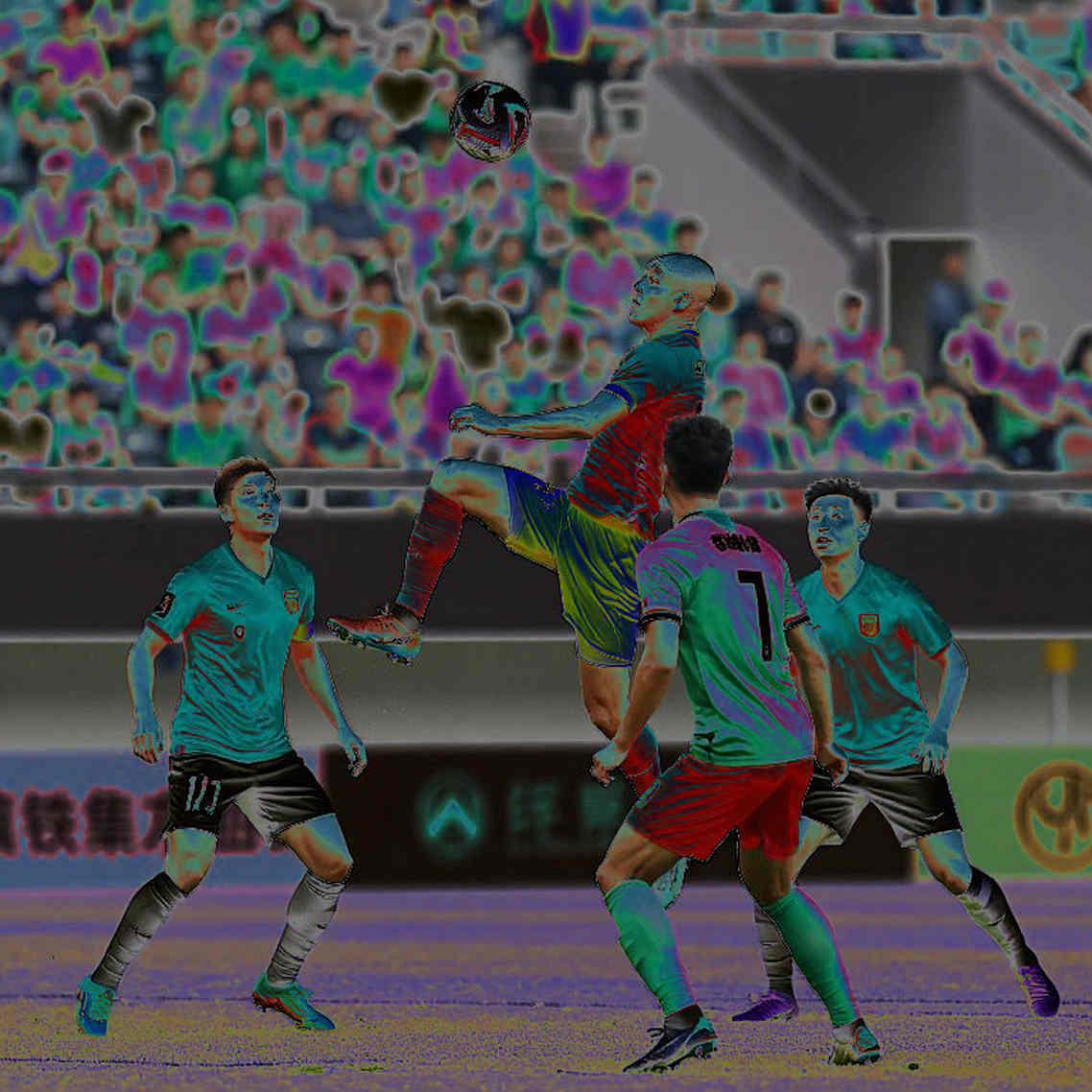
On the pitch the profile is clear. At 1.65 metres his centre of gravity is low, so change of direction and close control in tight spaces are natural strengths. This is not straight-line pace; it is the ability to break a line in traffic. FIFA describes him as an energetic winger with good dribbling — scout archetype language, not detailed tactical evaluation. Aerial duels are a structural limitation of that frame, not a personal failing.
The numbers do not agree with each other either. One source says 3 goals in 11 league matches; another says 4 goals in 14 across the same loan. Without minute distribution, per-90 metrics cannot be derived. Three goals in a first senior season is not poor, but as a basis for praise it is thin.
Injury history belongs at the top of the file. He was absent for the previous title-winning tournament. Availability risk therefore outranks performance risk. The coach may phase him in from the bench — but first he must stay fit. Competition for winger minutes in a title-winning attack is not small either.
The dressing room is not simple. Injecting three newcomers into a squad that just won a regional title creates an incumbent-versus-recruit dynamic very quickly. All three arrive from overseas football cultures, with different languages and training habits. This is a leadership test for the staff, not just a selection question.
The regional comparison is telling. Thailand's domestic league remains slightly ahead commercially, but Vietnam is closing the gap through the diaspora recruitment channel. The V-League once exported players to bigger Asian leagues; now the reverse flow brings young overseas talent to Ho Chi Minh City as a first professional destination. That is a market repricing, not a footnote.
Nobody appears to be calculating the second-order risk. If diaspora recruitment becomes the default policy, domestic academy minutes shrink. Results will look fine for one or two seasons; five seasons later an attack may look hollow. Both pipelines are needed — but who is keeping the ledger?
This is where the official narrative has a blind spot. The story everyone tells: FIFA found a new Southeast Asian talent. The story nobody tells: FIFA's watch lists are built on assumed eligibility clearance. Players expected to be available get profiled first. So the bigger event in Dang Khoa's case is not his dribbling, it is his passport timeline — citizenship on May 13, permanent deal on August 12, a full documentation chain completed in months. By regional standards that is fast, and that is the news. The Neymar cascade began with a single phone call, not a headline. Here too the real trigger is administrative timing, not a highlight reel.
One governance warning needs verification. Reports say Vietnam won the title for a fourth time, while the September 24 tournament is framed as his potential first official appearance. Both cannot describe the same event; the fourth title almost certainly refers to an earlier cycle. Likewise, Hong Kong appearing as a co-host alongside Indonesia is structurally unusual for an ASEAN competition. Neither claim should be accepted unverified.
I filed from Nizhny Novgorod myself on July 10, 2026, the day a club transfer out-trended a World Cup semi-final on European social media. That taught me that national-team football and the club market run on separate ledgers. So Dang Khoa's real test in the ASEAN Cup is not Pakistan. It is his own fitness, his coach's minute allocation, and the patience of Vietnam's naturalisation pipeline. Empty seats, full ledgers — V-League deals also stand on arithmetic, not noise.
After 27 years of watching, my view is that a young player's future is never decided by one tournament; it is decided by the system around him. Three questions remain open: will he stay fit, where will Kim Sang-sik place him, and will Vietnam's diaspora recruitment become permanent architecture? After September 24, who walks out of Vietnam's next lobby — an academy graduate, or another arrival from Perth? That answer will reveal whose tournament this really was.